Cédula de Habitabilidad in Menorca: 2026 Buyer & Seller Guide
Complete guide to the Cédula de Habitabilidad in Menorca: why a valid certificate matters for utilities, notary completion, and 10-year renewal rules.
The Cédula de Habitabilidad in Menorca is a mandatory regional occupancy certificate issued by the Consell Insular de Menorca under Govern de les Illes Balears housing regulations that remains valid for 10 years, confirming a dwelling meets legal standards for floor area, ceiling height, ventilation, sanitation, and structural safety. In the Balearic Islands, a valid Cédula is required to put electricity and water contracts into a new owner’s name—and a home carrying a current certificate (such as a 2021 renewal, valid until 2031) gives buyers immediate legal certainty at notary completion.
What the Cédula de Habitabilidad Actually Certifies
Unlike a Land Registry Nota Simple (which proves ownership and debts) or an Energy Performance Certificate (which grades thermal efficiency), the Cédula de Habitabilidad certifies that a building is legally recognised as a habitable residential dwelling (vivienda) rather than an agricultural store, garage, or unpermitted structure.
Specifically, the Consell Insular de Menorca checks:
- Minimum room dimensions and usable floor area
- Natural light and cross-ventilation in bedrooms and living areas
- Functioning kitchen, bathroom, and sanitation connections
- Consistency with approved municipal building records
Three Types of Cédula in the Balearic Islands
- Primera Ocupación (First Occupation): Issued for newly built homes or properties undergoing major structural rehabilitation (reforma integral).
- Renovación (Renewal): Issued every 10 years for existing legal dwellings when the previous Cédula expires.
- Carencia (Historic Proof): For pre-1987 dwellings that never held a formal Cédula but can prove legal residential existence before March 1987 without unpermitted extensions.
Why Buyers Must Verify the Cédula Before Signing Arras
Buying a house in Menorca without checking its Cédula status is one of the most avoidable mistakes in Balearic real estate. If a Cédula has expired—or worse, cannot be renewed because of an unpermitted extension or pool—buyers face immediate practical roadblocks:
| Scenario | Notary Completion Impact | Utility Transfer (Endesa / Water) | Buyer Risk Level |
|---|---|---|---|
| Valid Cédula (e.g., renewed 2021) | Smooth completion; attached to Escritura | Immediate transfer to buyer’s bank account | Low (fully compliant) |
| Expired Cédula (no illegal works) | Notary may proceed if buyer accepts, or delay | Endesa/water may block new contract until renewed | Medium (3–8 week admin wait) |
| No Cédula + Unpermitted Works | High legal risk; potential municipal fine | Utility connection can be refused | High (avoid without lawyer clearance) |
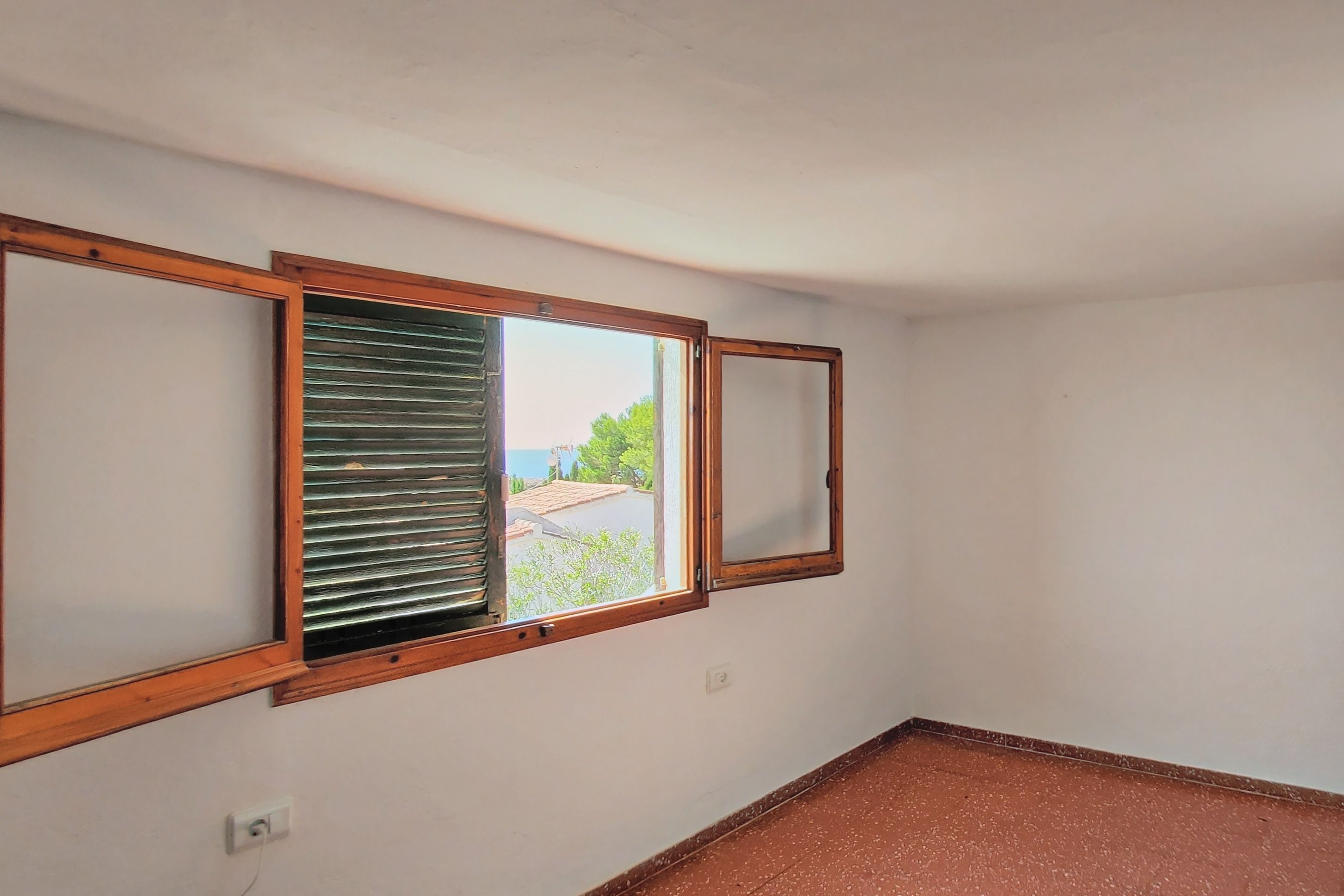
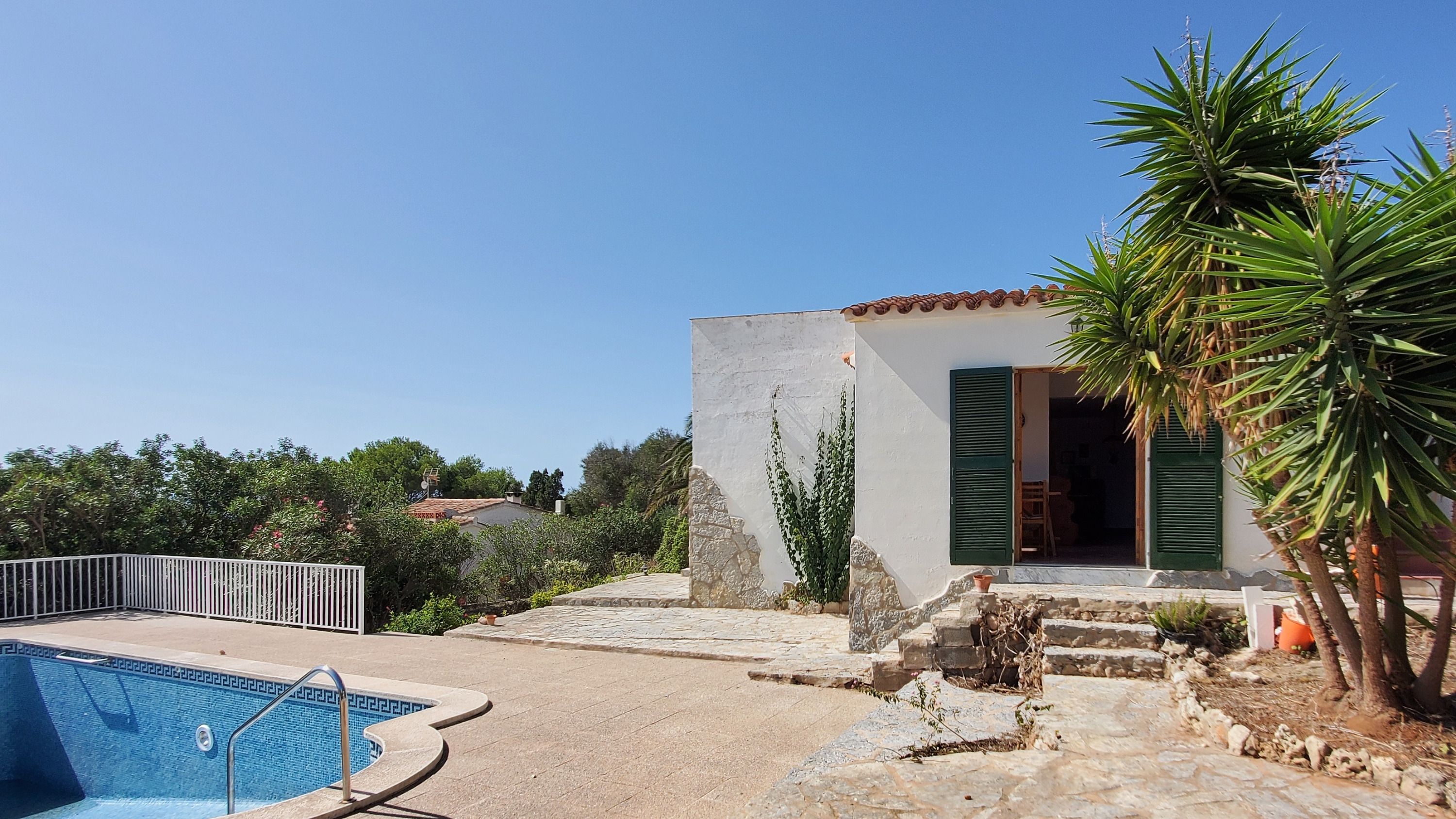
For example, the €850,000 direct owner 1975 villa in Cap d’en Font holds a Cédula de Habitabilidad renewed in 2021—meaning it remains valid until 2031 and allows seamless utility transfers and notary execution without waiting months for a Consell Insular inspection.
How to Renew a Cédula de Habitabilidad in Menorca
When a 10-year Cédula approaches expiry, the renewal process in Menorca is straightforward as long as the house matches its legal plans:
- Architect inspection: A registered arquitecto or arquitecto técnico (aparejador) visits the property to measure rooms, verify ventilation and sanitation, and take dated photographs.
- Technical certificate: The architect signs a certificado de habitabilidad and submits it with the application to the Consell Insular de Menorca.
- Fee and issuance: After paying the regional administrative fee (typically under €50, plus architect fees of roughly €250–€450), the Consell issues the renewed Cédula—usually within 4 to 8 weeks.
Cédula de Habitabilidad vs. Energy Certificate (CEE)
Buyers sometimes confuse the Cédula de Habitabilidad with the Energy Performance Certificate (Certificado de Eficiencia Energética, CEE). Both are essential at a Balearic notary completion, but they measure completely different things:
- Cédula de Habitabilidad: Legal habitability and utility eligibility (valid 10 years). A 1975 villa with a 2021 Cédula is 100% legally habitable.
- Energy Certificate (CEE): Thermal efficiency rating from A to G (valid 10 years, or 5 years for G ratings under updated rules). Older 1970s homes often start at G and can be upgraded to E through roof insulation, glazing, and heat pumps—see our G-to-E renovation guide.
Due Diligence Checklist for Menorca Buyers
Before transferring a 10% deposit under a contrato de arras, instruct your independent lawyer to:
- Request a copy of the current Cédula de Habitabilidad and verify its issue and expiry dates.
- Cross-check the Cédula’s stated square metres against the Nota Simple and Catastro.
- Ensure the seller provides the original Cédula and registered CEE at the notary signing.
Common Questions About the Cédula in Menorca
Can a Swimming Pool or Porch Affect Cédula Renewal?
Yes. While a swimming pool itself is not a habitable room, any enclosed porch, conservatory, or extension added without a municipal building licence (licencia de obra) can block a Cédula renewal if the Consell Insular inspector detects a discrepancy between the physical house and the approved municipal plans. That is why verifying that the 125 m² dwelling, covered porch, and 35 m² pool all match registered plans is essential before signing a binding deposit.
Does a Cédula Cover Short-Term Holiday Rentals?
No. A Cédula de Habitabilidad is strictly a residential habitability and utility-connection certificate—it confirms the property is a legal dwelling for residential use, second-home stays, or standard long-term leasing under Spain’s Urban Leases Act (LAU). Separate regional tourism regulations govern commercial holiday letting in the Balearic Islands.
How Long Does a Renewal Stay Valid After Purchase?
A Cédula belongs to the property, not the owner, and remains valid for its full 10-year term regardless of how many times the house changes hands. A certificate renewed in 2021 remains valid until 2031, giving the buyer a full decade of administrative certainty before a routine architect inspection is needed again.
What Happens If You Buy an Unregistered Extension?
In Menorca, historic extensions built decades ago without a municipal licence may sometimes be regularised only if they predate strict statutory limitation periods and do not sit on protected rustic or coastal-setback land—and even then, fuera de ordenación status can restrict future building permits. Checking the Cédula de Habitabilidad alongside the Sant Lluís municipal planning file before signing arras ensures you never inherit an unresolved legal cloud.
Practical Summary for Resale Sellers and Buyers
For sellers, renewing an expiring Cédula before listing removes a major friction point during buyer due diligence. For buyers, seeing a valid 2021 Cédula on a 1975 single-storey villa in Cap d’en Font provides immediate confidence that utilities, notary signing, and Land Registry inscription will proceed cleanly. It also confirms that all core living spaces—such as three bedrooms, two bathrooms, and the kitchen—meet regional ventilation and sanitation rules without requiring retroactive building legalisations. Keep the original stamped certificate in your permanent property dossier alongside the Escritura Pública, Modelo 600 tax receipt, and Energy Performance Certificate.
For the full sequence of legal checks, read our step-by-step legal guide to buying a house in Menorca, review Balearic ITP transfer tax rules, or explore our direct-from-owner buying guide.